
Transporting abnormal loads in the UK involves a highly regulated process, due to the size, weight, or shape of the cargo. An abnormal load is any vehicle carrying a load that exceeds standard legal limits. These oversized shipments require special planning and coordination to ensure safety, minimise disruption, and comply with legal requirements.
· The process begins with identifying the dimensions and weight of the load.
· Operators must inform the relevant authorities before the journey takes place.
· Notifications typically go to police forces along the intended route, highway authorities, and occasionally bridge owners.
· This gives them time to assess risks, approve the route, and request modifications if necessary.
· In many cases, an escort vehicle or pilot car is required to accompany the abnormal load, particularly on narrow or busy roads.
· These escorts help manage traffic, warn other drivers, and ensure the transport vehicle can navigate tight turns or low-clearance obstacles.
· Special signage and lighting are also used to increase visibility.
Timing is crucial. Deliveries are often restricted to off-peak hours or even specific days, depending on traffic volumes and local regulations. Drivers must hold the correct licences and be trained to handle unusual load dynamics and braking distances.
Planning routes for abnormal loads is a specialised task. The path must avoid low bridges, weight-restricted roads, and tight bends. Digital mapping tools and surveys are often used in advance to chart the safest and most efficient route. Temporary road closures, parking restrictions, or police escorts may be required.
Weather also plays a role. High winds can make it unsafe to transport large structures such as wind turbine blades or construction machinery. Operators must remain flexible and responsive to changing conditions.
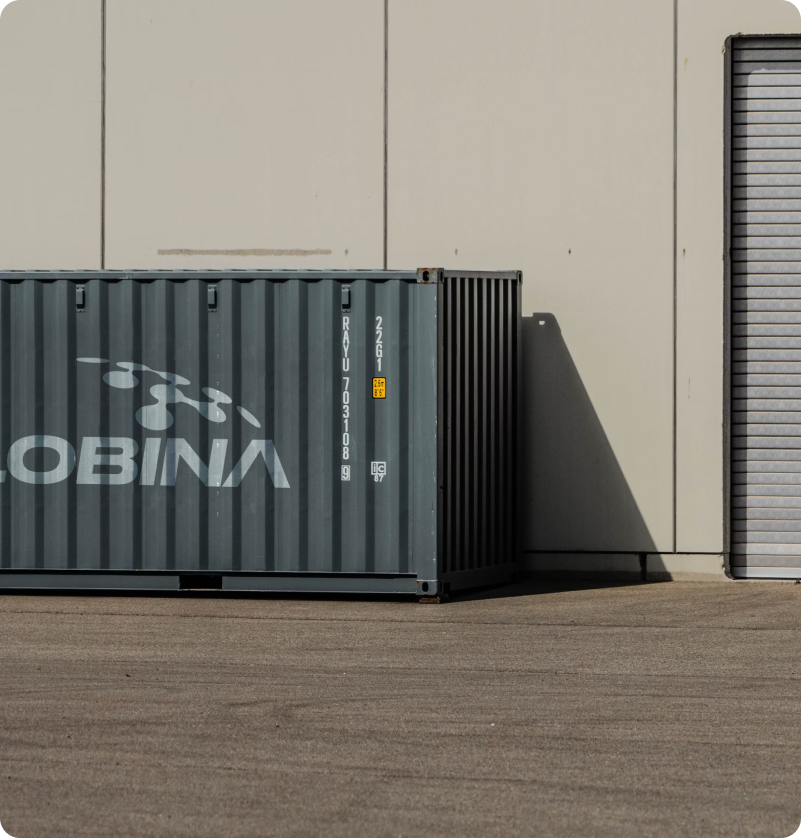
Lobina Ensures Timely Delivery of Abnormal Load in the UK
Lobina ensures timely delivery of abnormal load in the UK and Europe by combining meticulous route planning, compliance with all legal regulations, and coordination with local authorities. Their experienced team uses real-time data and advanced logistics tools to manage complex deliveries with precision and reliability, minimising delays and maintaining high safety standards across all transport operations.



Write a comment ...